
SCC NEWS
Dr. Candice M. Racite outlines ambitious plans as SCC’s Assistant Dean of Business and Workforce Development
Dr. Candice M. Racite outlines ambitious plans as SCC’s Assistant Dean of Business and Workforce Development
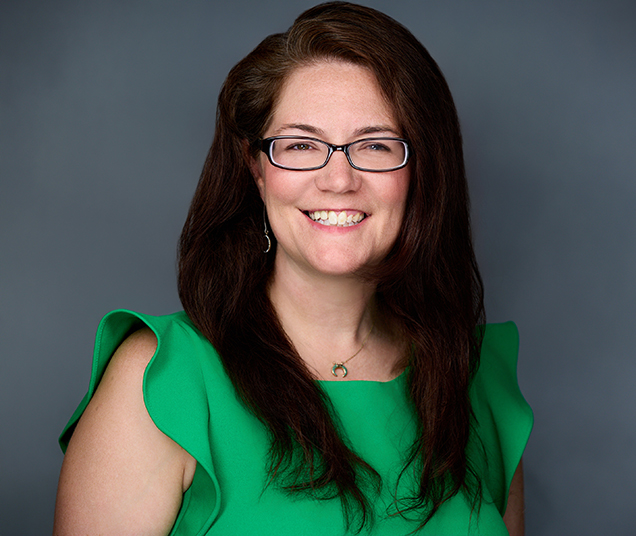
As Salem Community College’s Assistant Dean of Business and Workforce Development since December 2025, Dr. Candice M. Racite has hit the ground running. It has been a homecoming for the Pennsville resident, who earned her associate degree from SCC in 2003. She went on to earn a bachelor’s degree in finance from the University of Delaware, an MBA from Wilmington University and a doctorate in Higher Education Leadership & Innovation from Wilmington.
Before assuming the leadership post at SCC, Candice served at Rowan College of South Jersey for 10 years in a series of administrative roles of increasing responsibility. In her final position, she spearheaded the workforce innovation and industry partnerships initiative.
What has been the best part of the job so far?
The most rewarding aspect has been the opportunity to serve in the community that I live in. There is a particular kind of professional fulfillment that comes from returning to a place with both institutional knowledge and personal history — I have reconnected with individuals I knew as a student, and that continuity has made this work feel genuinely grounding in a way that sustains my commitment even in the demanding early months of a new role.
What has also distinguished this experience is the organizational culture I encountered at SCC and across Salem County. The people here are purposeful, they are invested in outcomes that extend beyond their own interests, and they demonstrate a collective orientation toward community progress that is rare. That shared sense of purpose gives me real confidence in what this institution is capable of accomplishing - I’m thankful to be a part of that mission!
Having been on board for several months, what are your major accomplishments to date?
My focus has been on building the structural and relational foundation from which meaningful programming can grow. I have initiated a banking and financial services employer advisory process — convening local financial institutions to examine whether a structured SCC certificate program could strategically address documented skill gaps in their workforce pipeline. Through the Salem County Chamber of Commerce, I have begun cultivating the partnerships necessary to launch a business plan development initiative that will be accessible to any Salem County business seeking to formalize or grow their enterprise.
I have also been grateful for the opportunity to deliver applied workforce training — most notably a train-the-trainer program for Chemours — which reflects our capacity to serve as a responsive, employer-facing training institution. On the student success side, I have been building the infrastructure for a formal career connection program that will launch in fall of 2026. Additionally, I’m working to align our career and technical training (CTE) offerings with the Carl D. Perkins V framework so that program development remains anchored in verified labor market demand. Finally, connecting our local nonprofits to FindHelp — a platform that provides residents with immediate access to social services — has been one of the more quietly impactful pieces of work in these first months.
---
What is your top priority in 2026 in working with students?
My highest priority is the launch of a structured career connection program designed to bridge the gap between credential attainment and meaningful workforce entry. This initiative will equip students with the practical tools — resume development, professional communication, and interview readiness — while simultaneously building the employer relationships with the college being their immediate talent pipeline.
My aim is for students to leave SCC with a career pathway — a relationship with a prospective employer and a clearly defined next step. For students in Salem County, where economic mobility is often constrained by access rather than ambition, that kind of intentional connection becomes integral to the academic experience.
What are your major priorities this year in working with the business community?
My priorities this year center on three commitments:
- The first is establishing SCC as the primary talent pipeline for Salem County employers — cultivating relationships deep enough that local businesses regard the college as a reliable, strategic partner in their hiring and workforce planning, not simply an occasional resource.
- The second is developing certificate programs that are designed for non-traditional learners — working adults who need to upskill within their current roles, individuals re-entering the workforce after a period of absence, and those who bring significant experiential knowledge but lack formal credentials to validate it.
- The third is positioning SCC as the regional training hub for incumbent workforce development. When employers in Salem County need skill development, industry certification, or leadership capacity built within their existing teams, I want SCC to be the institution they call first. We have the expertise, the community trust, and the institutional agility to fulfill that role.